





Destaques

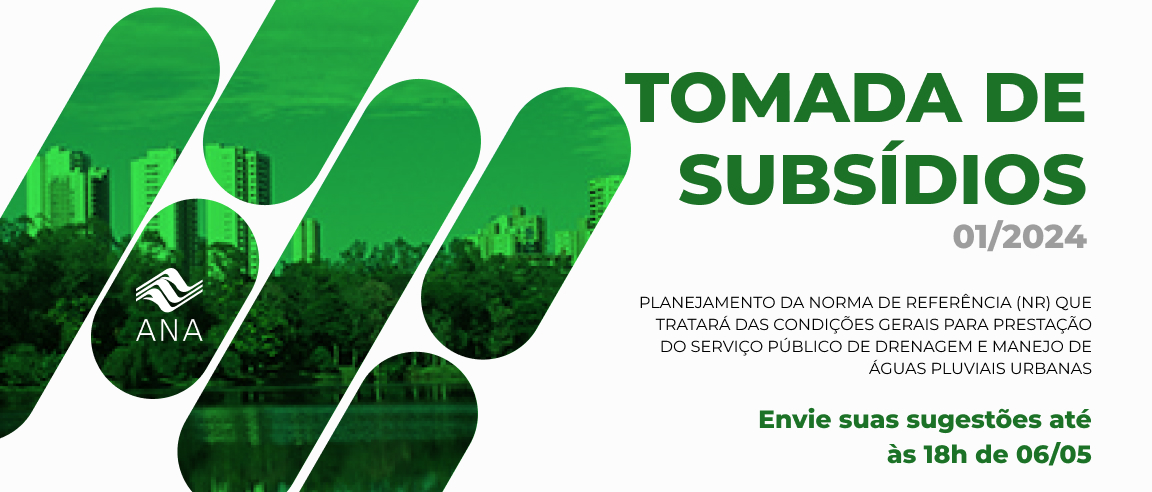

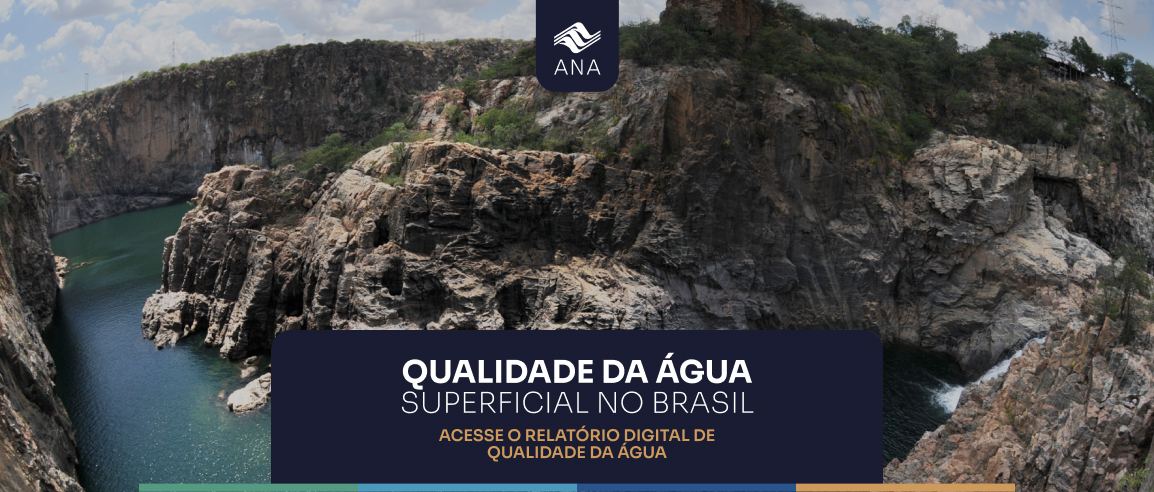
Notícias


Hotsites e Informes
 |  |  |  |
Eventos da ANA
ABR
2024
-
21Dom
-
22Seg
-
23Ter
-
24Qua
-
25Qui
-
26Sex
-
27Sáb
Compromissos do dia
Serviços
Serviços em destaque
Registros e Cadastros
Obter a Regularização do Uso da Água de Domínio da União
Quem usa água de domínio da União precisa solicitar a regularização de seu uso na ANA.
Certidões e Outros Documentos
Obter Declaração de Reserva de Disponibilidade Hídrica
Certidões e Outros Documentos
Certificado de Avaliação de Sustentabilidade de Obras Hídricas
Certificado de Avaliação de Sustentabilidade de Obras Hídricas
Estudos e Capacitações
Participar de Capacitação em Gestão e Regulação de Recursos Hídricos
cursos gratuitos sobre água
Autorizações
Denunciar o Uso Irregular de Recursos Hídricos e Segurança de Barragens
qualquer pessoa órgão e entidade pública podem apresentar denúncia sobre uso da água ou segurança de barrages
Autorizações
Declaração Anual de Uso de Recursos Hídricos
Declaração Anual de Uso de Recursos Hídricos
Registros e Cadastros
Cadastro de Inspeção de Segurança de Barragens
cadastrar regularmente seus relatórios de inspeção de segurança da barragem no sítio da ANA na Internet
Pagamentos e Restituições
Cobrança pelo Uso da Água de Domínio da União
A ANA emite o boleto que permite ao usuário pagar a cobrança pelo uso de recursos hídricos de domínio da União.
Informações
Participar de processo de Consultas Públicas, Audiências Públicas e outras formas de participação no âmbito da ANA
Autorizações
Solicitar o uso e reprodução de imagens da ANA
Permite ao cidadão solicitar o uso e a reprodução das recursos hídricos de forma gratuita.